
What we usually hear on the first call
“Our core system works, but everyone is afraid to change it.”
We add tests around the critical paths first, then make changes in small, reviewed releases with a rollback plan, so new features stop feeling risky.
“The developer or agency who built it has gone.”
We start with a short code review, write down the risks and how to deploy it, and then take on support and new work with a clear plan.
“Our systems don’t talk to each other, so people re-key data.”
We build APIs and integrations with your ERP, CRM, payment, shipping or Microsoft 365 systems, with retries, error alerts and an audit trail.
“We’re still on .NET 8, or on .NET Framework.”
.NET 8 and 9 left Microsoft support on 10 November 2026. We plan a staged move to .NET 10 LTS, starting with an assessment and a fixed quote for the first phase.
.NET modernisationA small first step, not a big commitment
Scoping call and written estimate
Tell us what the system needs to do. After a technical call we send a written scope, an architecture outline and a price for the first phase, or tell you honestly if we are not the right fit.
Code review
We review structure, tests, dependencies, security and deployment, and give you a written list of risks in priority order. Useful whether or not you go on to work with us.
Request a code reviewSoftware that runs the day-to-day business
- Line-of-business web applications: orders, inventory, scheduling, quoting and approvals, designed around how your people actually work.
- APIs and integrations: REST APIs with OpenAPI documentation and proper authentication, connected to the systems you already use.
- Customer, dealer and supplier portals: secure logins to see orders, stock, prices and documents.
- SaaS and multi-tenant back ends: tenant isolation, roles and billing hooks, so the next customer is not another copy of the code.
- Background processing: worker services and Azure Functions for imports, exports, notifications and long-running jobs.

From first call to working software
Larger work is priced per phase and agreed in writing before it starts.
Two .NET systems running in production
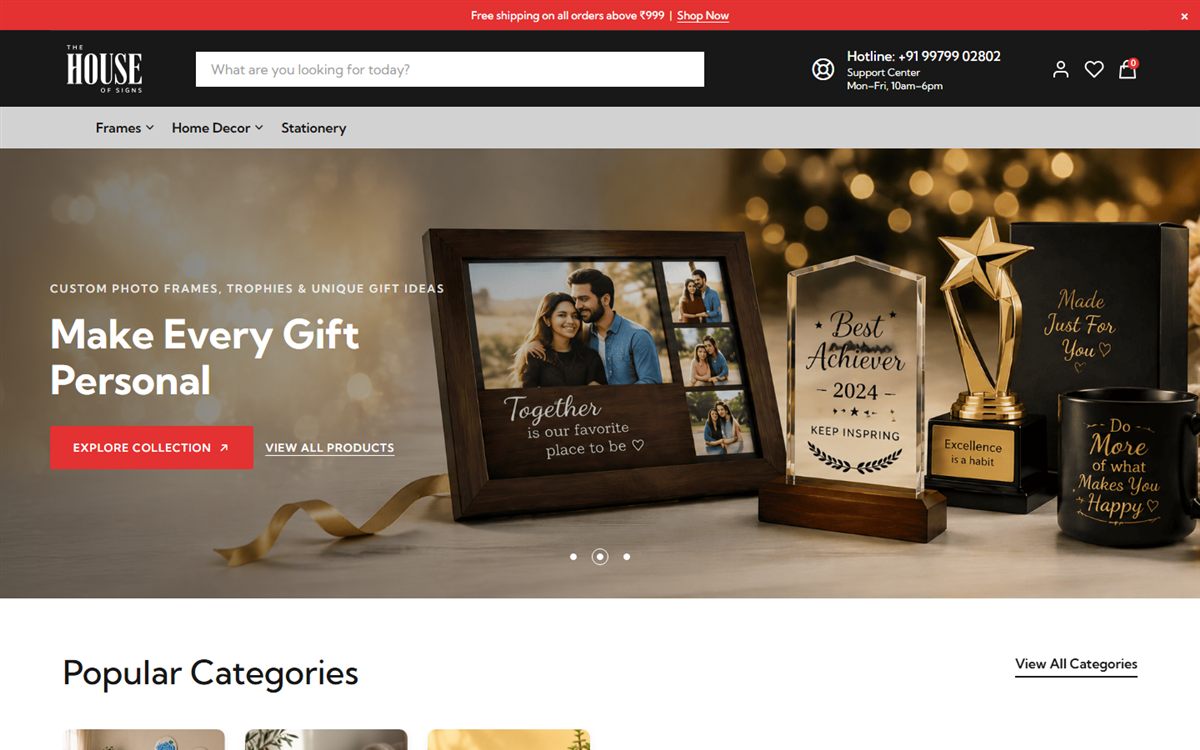
The House Of Signs: an online store and admin panel
An Indian brand selling custom signage, nameplates, photo frames and home decor. We built the storefront and the back office end to end in ASP.NET Core.
- Storefront with categories, product options, cart, wishlist, coupons and order tracking
- Razorpay payments and Google sign-in
- Admin panel for products, banners, orders and newsletters, with role-based permissions and an activity log
- GST invoices generated as PDF, and Excel exports for orders and products
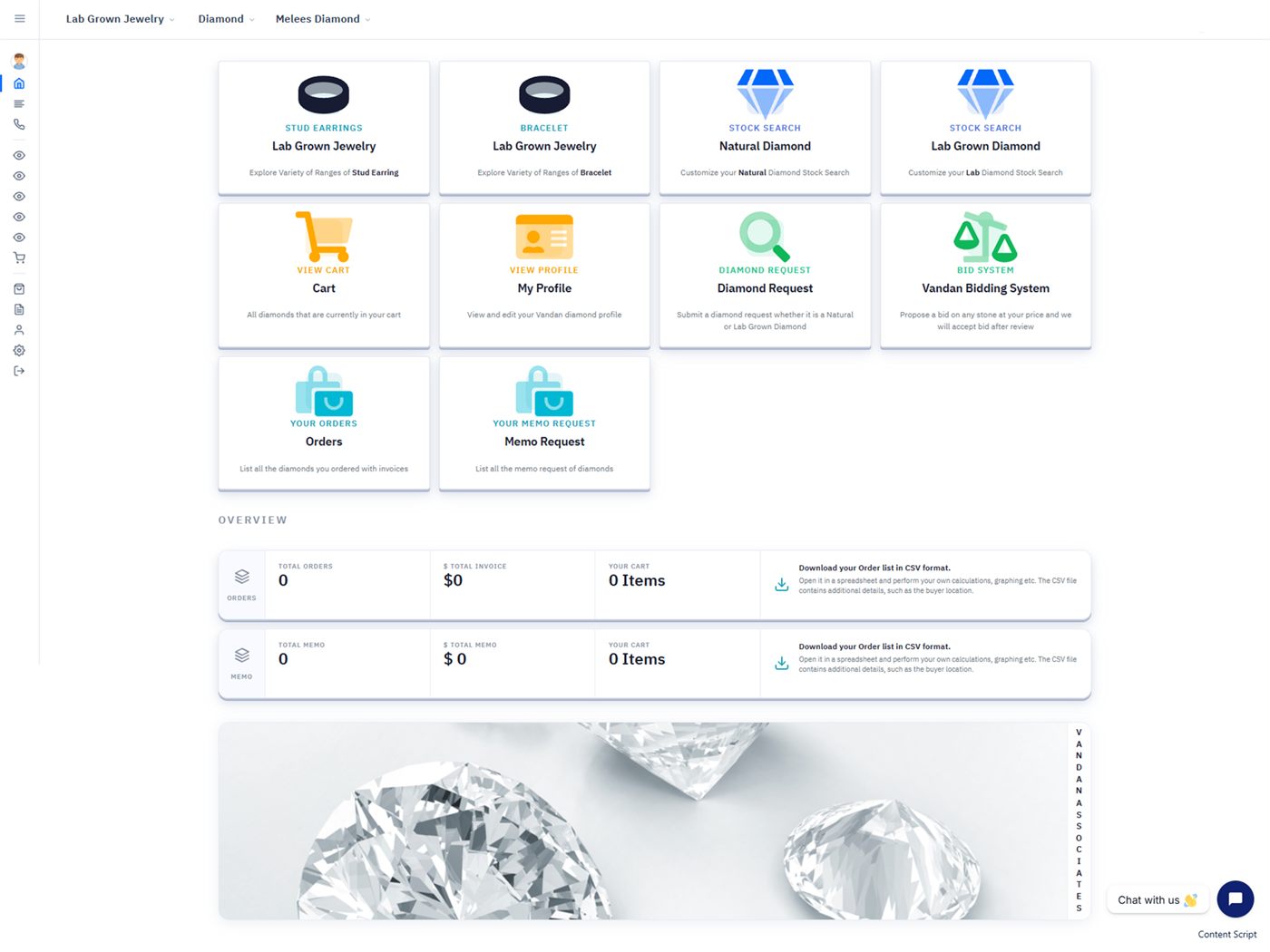
Vandan Associates: a wholesale diamond portal
A Toronto-based wholesale diamond company was selling through a manual process. We built a B2B platform where retail jewellers across Canada log in to a gated wholesale portal.
- Secure dealer login for retail jewellers
- Live diamond inventory browsing across 10 cuts
- Melee calculator with real-time pricing
Engineering habits, not adjectives
Built to last
- Current long-term-support .NET (today .NET 10), EF Core, SQL Server or PostgreSQL
- Clean Architecture where the domain is complex, simpler structures where it is not
- Unit and integration tests on the business rules that matter, run on every pull request
- A README, architecture decision records and a deployment runbook
Safe to run
- GitHub Actions or Azure DevOps pipelines, with separate test and production environments
- Sign-in with Microsoft Entra ID or OpenID Connect, secrets in Azure Key Vault
- Structured logging, health checks and Application Insights or OpenTelemetry
- Infrastructure scripted with Bicep or Terraform rather than set up by hand
Three ways to work with us
Project
For a clearly defined build, or a first phase agreed after a review. Fixed price per phase, agreed in writing, with a demo every week.
Dedicated developers
.NET developers working full-time in your team, your repository and your standups. You interview them before they start.
Hire .NET developersSupport retainer
Monthly hours for monitoring, runtime and package updates, fixes and small improvements, for systems we built or took over.
Agencies and Microsoft partners can also use us as an unbranded engineering team. See white-label development.
When the system is only part of the problem
Often the slow part is not the application but the manual work around it: documents keyed in by hand, approvals chased by email, reports built in Excel. That is where our AI automation, Power Platform and Power BI work comes in, built on top of the same .NET APIs.
.NET development questions
Which .NET version do you build new systems on?
New work starts on the current long-term-support release, which today is .NET 10, supported by Microsoft until November 2028. We plan upgrades to the next LTS release as part of normal support so you are not caught out again.
Can you take over an existing .NET codebase someone else wrote?
Yes. We start with a short code review covering structure, tests, dependencies, security and deployment, so you know the risks before you commit to a larger engagement.
Do you build front ends as well?
Yes. We use Razor Pages, MVC or Blazor where they fit, and React or Angular where a richer client is needed. Our focus is the back end and the business logic, and we are open about that.
Do you only work with Azure?
Most of our work is hosted on Azure because our clients already use Microsoft 365 and Entra ID. We also deploy to AWS or to your own servers where that is the right call.
How do you price .NET projects?
We do not publish prices. After a technical call we either send a written estimate for a well-defined build, or recommend a code review or short paid assessment first. Larger work is priced per phase, and the price is always agreed in writing before work starts.
Do you sign an NDA, and who owns the code?
We sign an NDA before you share code or confidential details. You own the code: it lives in your repository from the first commit and intellectual property is assigned to you under the contract.
Talk to an engineer about your .NET system.
Book a 30-minute technical call, or send us a short description of the system and what you need. We reply with honest next steps, including when we are not the right fit.